
The Horsham to Guildford Line
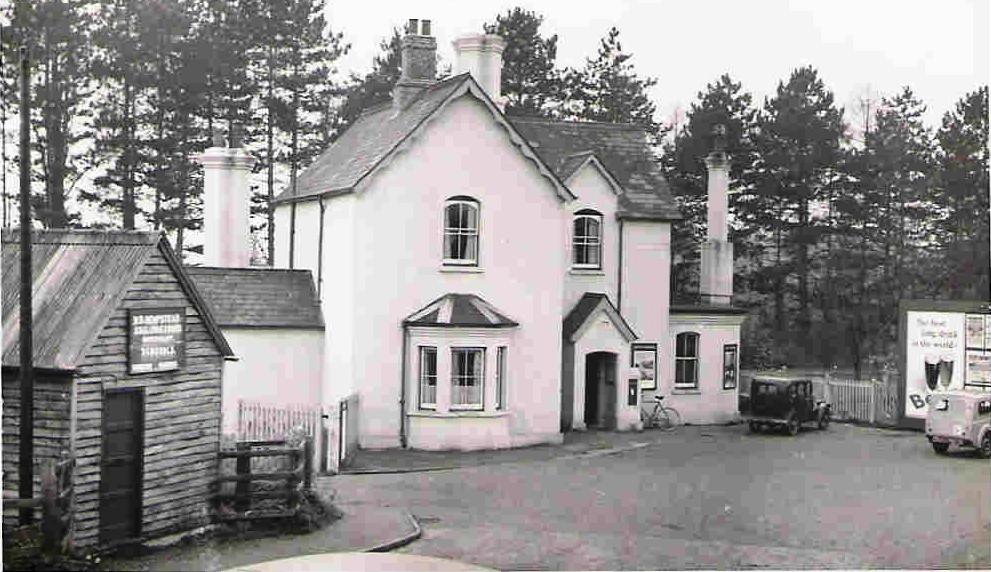
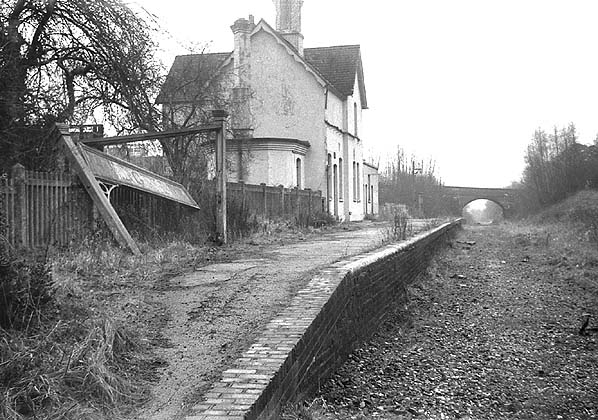
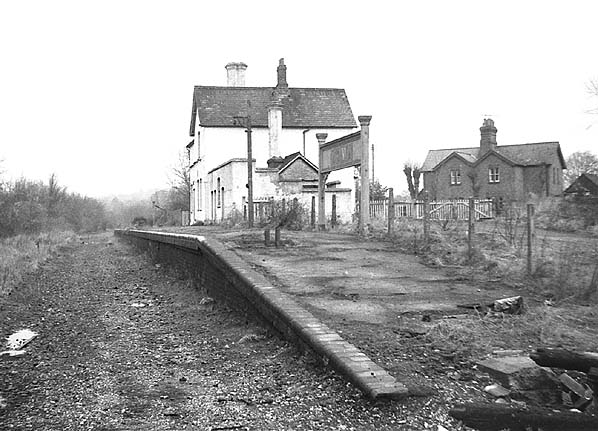
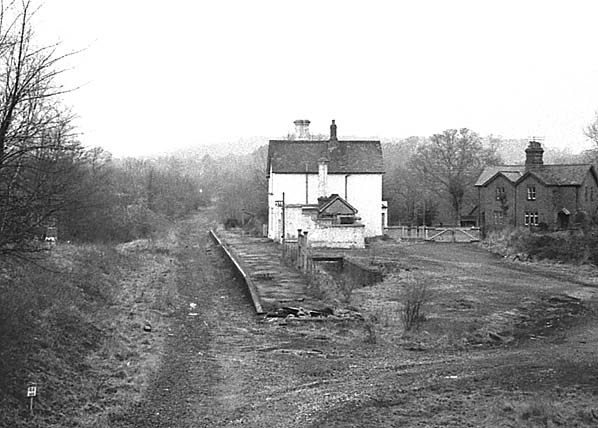
The project began as The Horsham to Guildford Direct Railway Company (H&GDRC), but the London, Brighton and South Coast Railway Company (LB&SCR) obtained the right to run the traffic over the line in return for not opposing it, and took over the company in 1862. The railway came to Rudgwick in 1865, and closed in 1965, just weeks short of its centenery. it was a lifeline for farmers, and also for potential landowners who soon built or gentrified existing country properties, many shown elsewhere in the Gallery. Coal was a particular commodity, with a large coalyard business soon established next door by Edward Botting, succeeded later by William Francis.
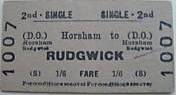
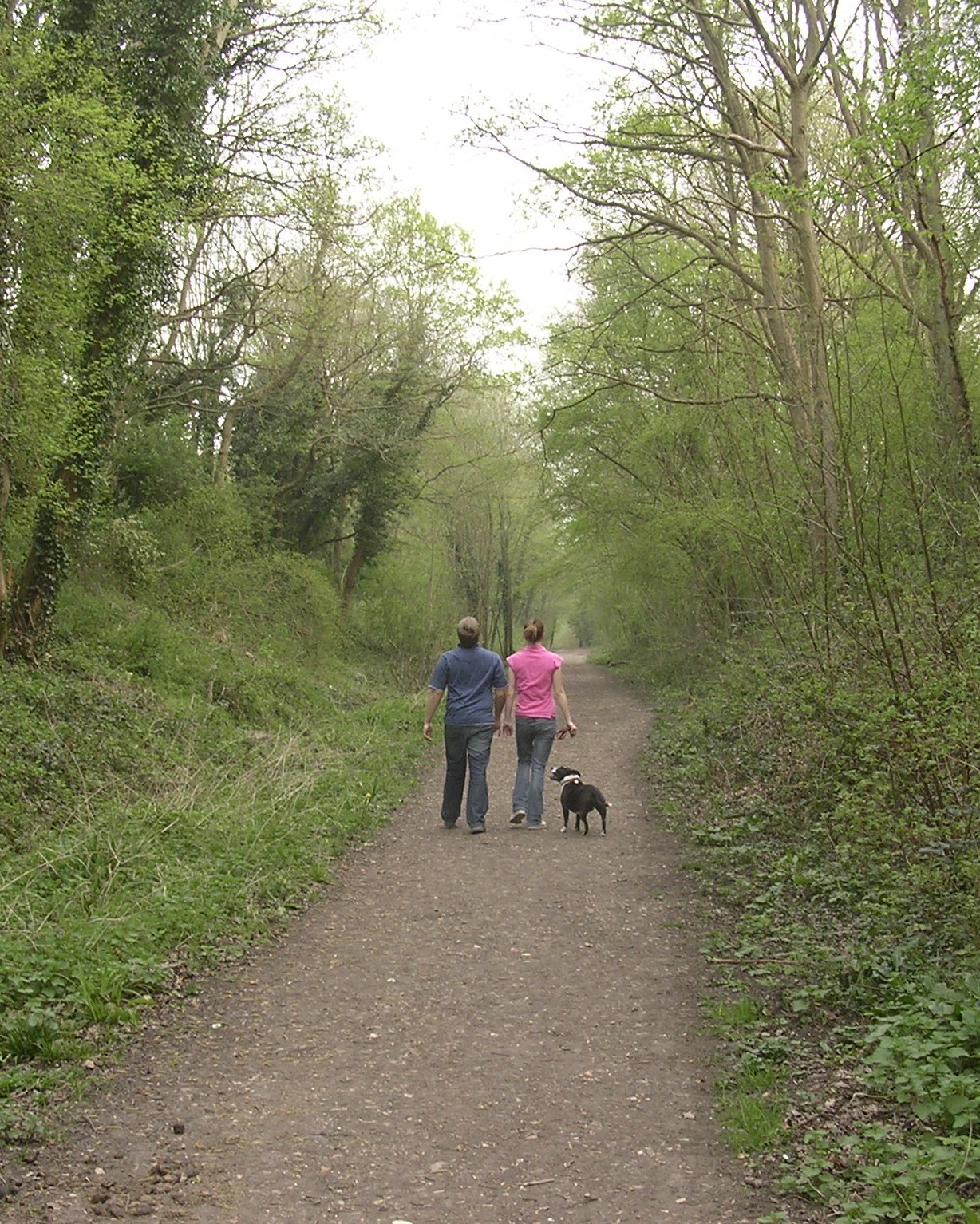
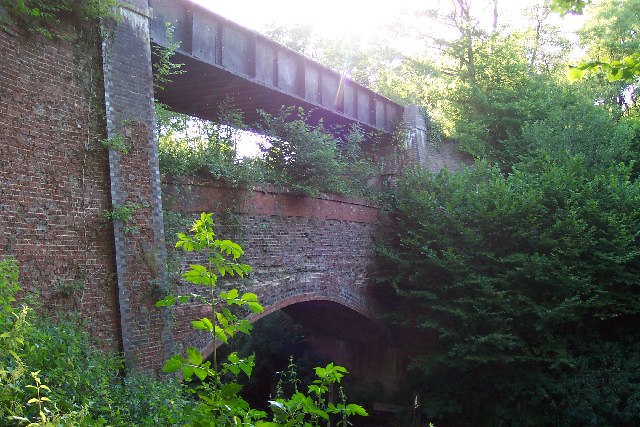
The line succeeded in killing off the Wey & Arun Canal, but was itself never very profitable, so by the 1950s and 60s it was inevitable that closure under the ‘Beeching Axe’ would happen. Rudgwick Station opened several weeks after the line opened on 2 Oct 1865, because of gradient problems highlighted by the inspector, Col Yolland, which led to the raising of the bridge over the Arun by 10 ft to a two-tier bridge – now the logo of the Downs Link long-distance path which has replaced the railway. It is now possible to walk, cycle or ride to Guildford or to Shoreham. Rudgwick Station opened on 1st November, with a feast provided by James Braby, son of the promoter.
His father, Rudgwick landowner James Braby (Maybanks, Cox Green), over whose land most of the line ran, was an LB&SCR shareholder (we know his son was), and an enthusiastic supporter, and builder of the Martlet Hotel and cottages by the station. Braby, Thomas Child, timber merchant of Slinfold, and William McCormick, an Irish railway contractor, were the promoters of the line in the Horsham and Guildford Direct Railway Act, 1860. However, Braby never lived to see its fruition. He died on 3 August 1865.
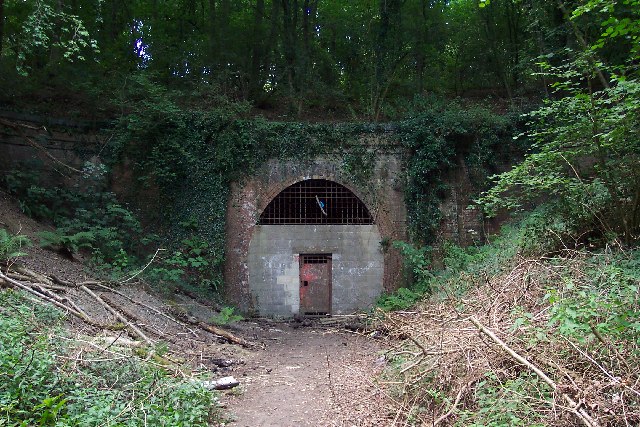
Rev Thurlow at Baynards Park, north of Rudgwick was also in favour, so long as he got a station for his estate at Baynards. He also built a hotel, now Baynards Manor, and dictated the location of the station. In between the two estates a 381 yd long tunnel had to be constructed through the ridge, across the county boundary, now closed and home to protected bats.
The engineers of the project were Thomas Oliver of Thomas Oliver & Sons Ltd of Derby, and Edward Woods. Oliver had already completed numerous projects in the north. He and Edwards had come south to design the Petworth- Midhurst line completed 1859, so they were well placed to work on this line, and indeed Oliver moved his family to Horsham in 1857. He subsequently had Tanbridge House, Horsham built and lived there until his death in 1920, after which the house was bought by WSCC for the new Horsham High School for Girls. Edwards, a Londoner, had first worked on the Liverpool to Manchester Railway. He later became President of the Institution of Civil Engineers, 1886-7. McCormick was one of two contractors who built the line. He too had been in Liverpool in 1851.
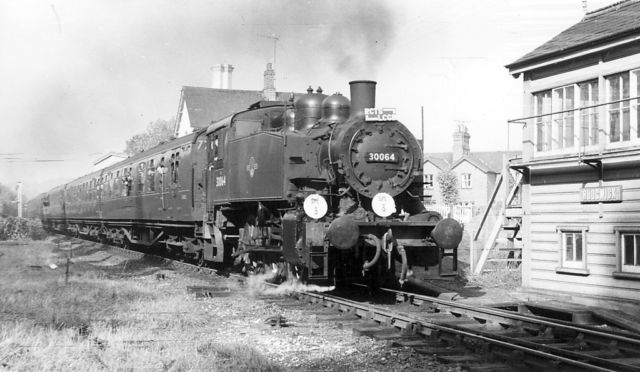
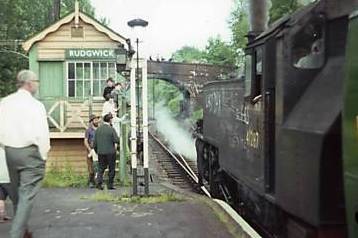
Trains took 50 minutes to traverse the route, with six trains (some say 8) a day from the start. By the 1950s there were eight a day, but by then freight traffic had dwindled to very little. The line closed 14 June 1965.

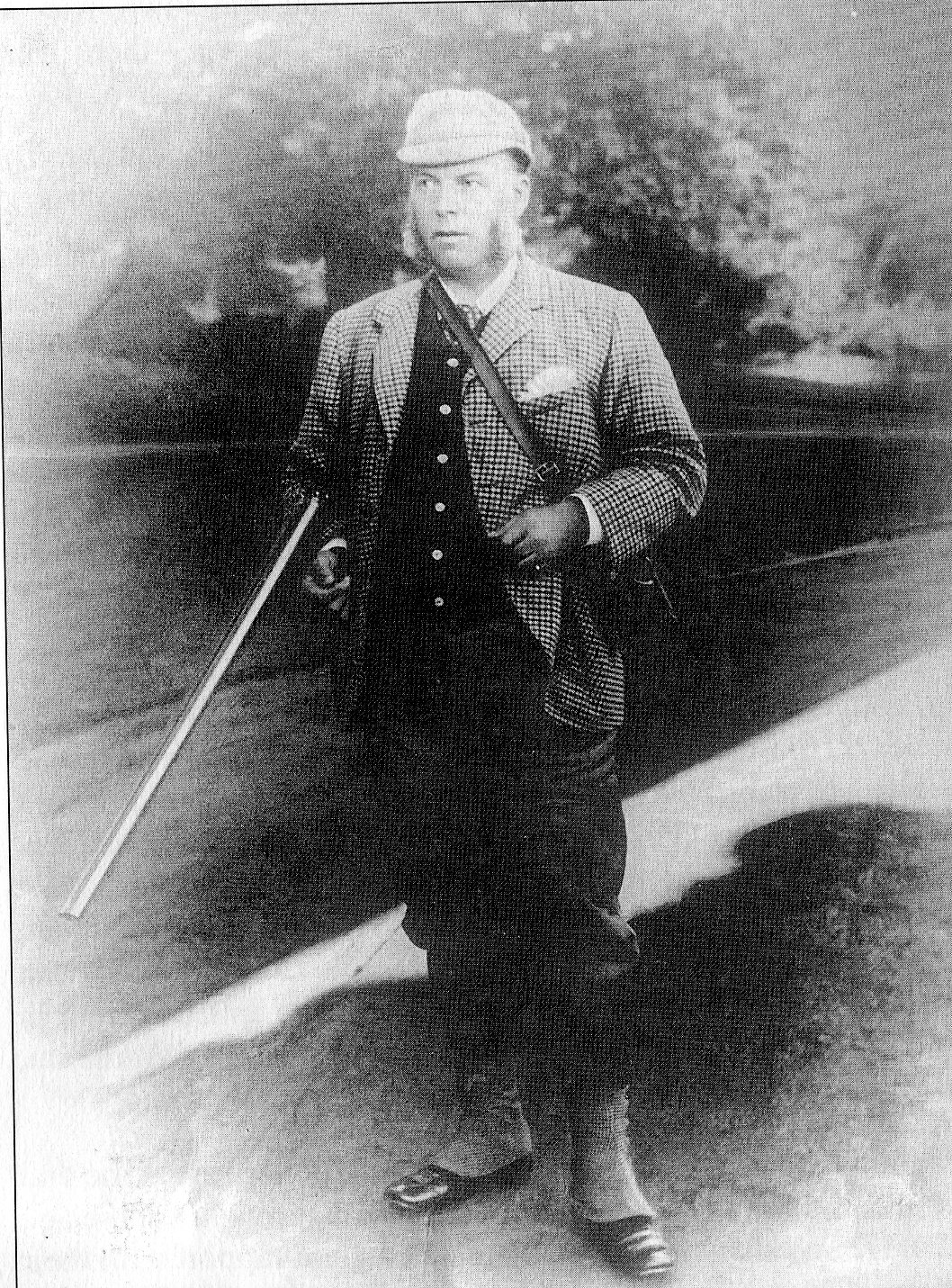
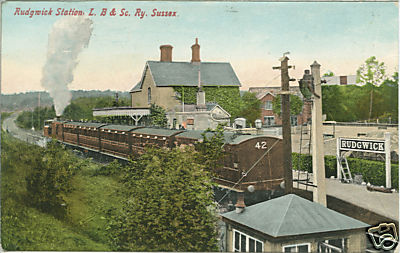
Early photographs
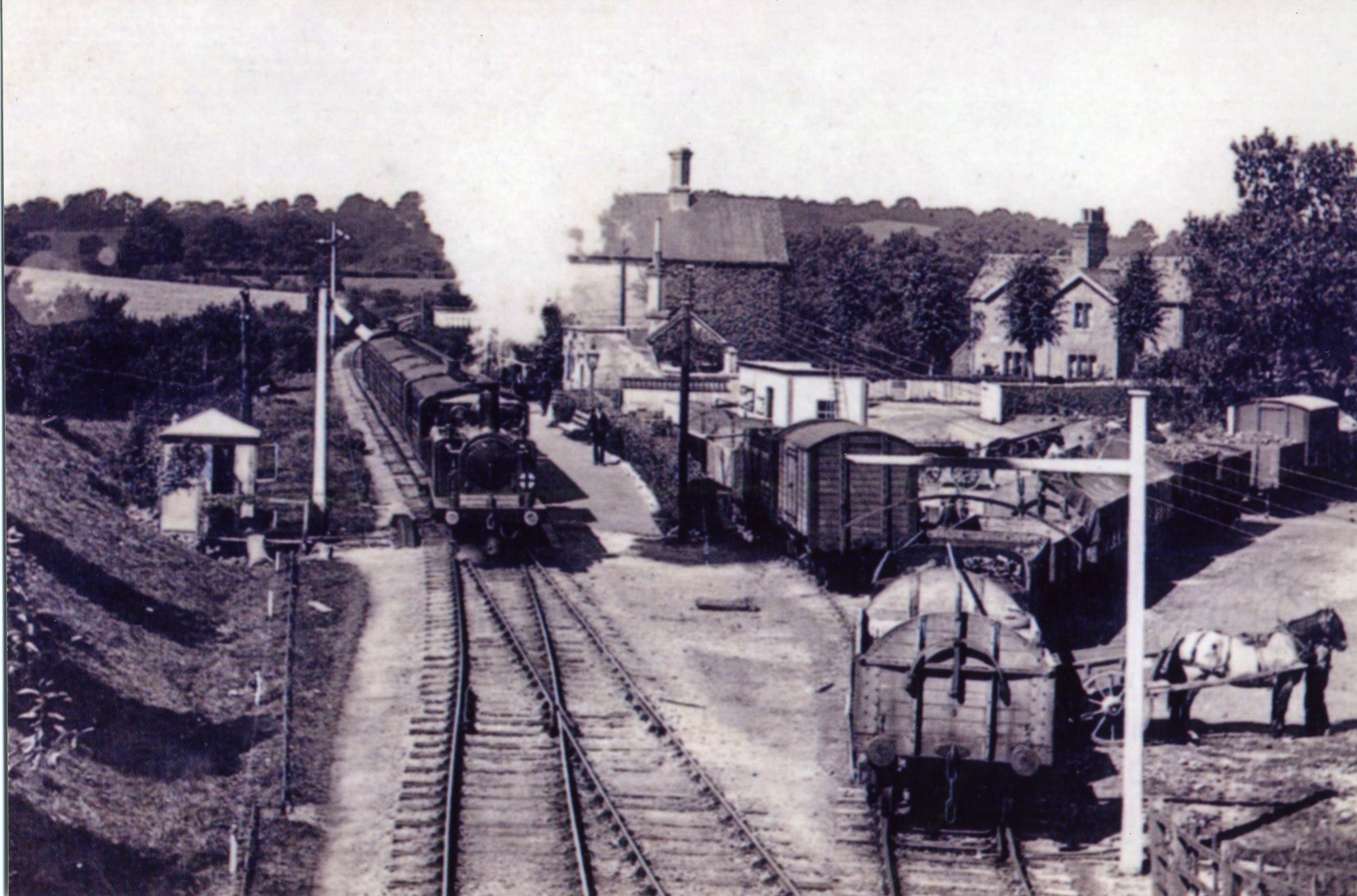
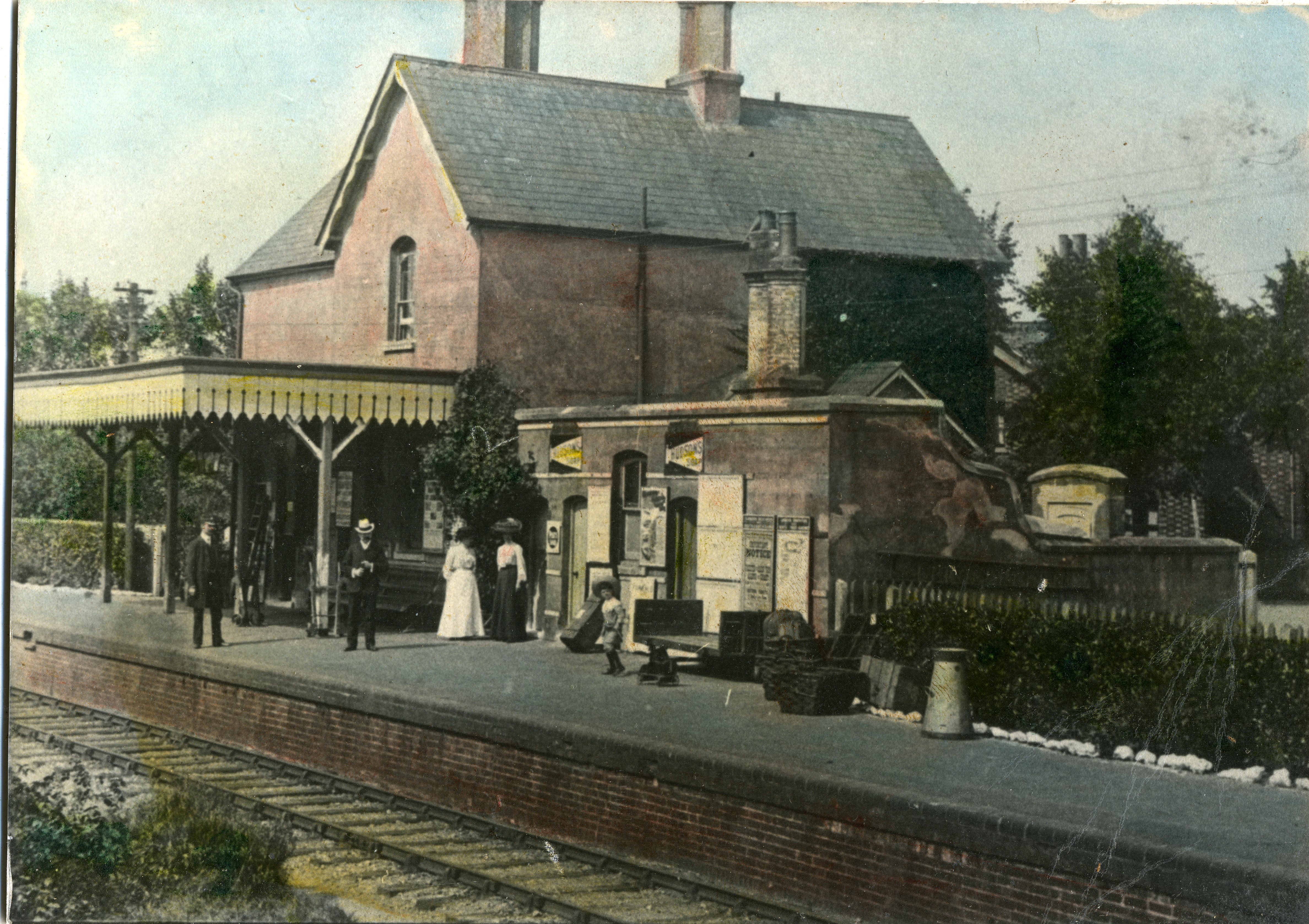


Post-war images







Closure and Change


 Rudgwick Preservation Society
Hi, I lived a stones throw away from Baynards Station ( up the lane a tad…in part of Baynards Manor nearest the station) way back in 1967-70 as a boy. The ‘Thurlow Arms’ as I remember (didn’t function as a pub/hotel at that time) and the couple that lived there then bred champion dogs (Mr and Mrs Thorne…don’t know what became of them although I believe Terry Thorne was a judge at Crufts) Baynards Station and the tunnel were regular playtime haunts of mine (the tunnel wasn’t sealed then so used to scare myself silly walking as far as I dared…which wasn’t far!) ‘Lawns Cottages’ wasn’t far from where I stayed also ( along a small continuation of Baynards Lane beside our orchard) where I used to play with some kids that lived there. Wonderful uncomplicated times. Mal.
Malcolm, I lived in Cranleigh and along with the 1st Cranleigh Scouts I went on a night hike and walked the full length of the tunnel in 1970, in the dark. Not long after it was bricked up for the sake of “elf and safety”. The entrance of the tunnel subsequently became the terminus for various sponsored walks along the disused railway line. What a shame that the line was closed. I feel certain that now, with the serious commuter congestion problems being experienced in the region, a railway line between Guildford and Horsham would get plenty of customers.
Roger Nash here. the railway line is more likely to open from Cranleigh to Guildford. obviously we would then lose a useful Downs Link long distance path. Don’t hold your breath!
I lived here at the back when it was still a pub 1997-1998.
Oh the memories of this place some of the best memories of my life.
Hot chips after school and a apple cyder with the former owner Julian after school.
I do believe it is still in the family, one day I would love to fly back to the uk and visit .
“Lived here” – where was that?